
×
  • News

    Our latest news.

  • News

    Our latest news.

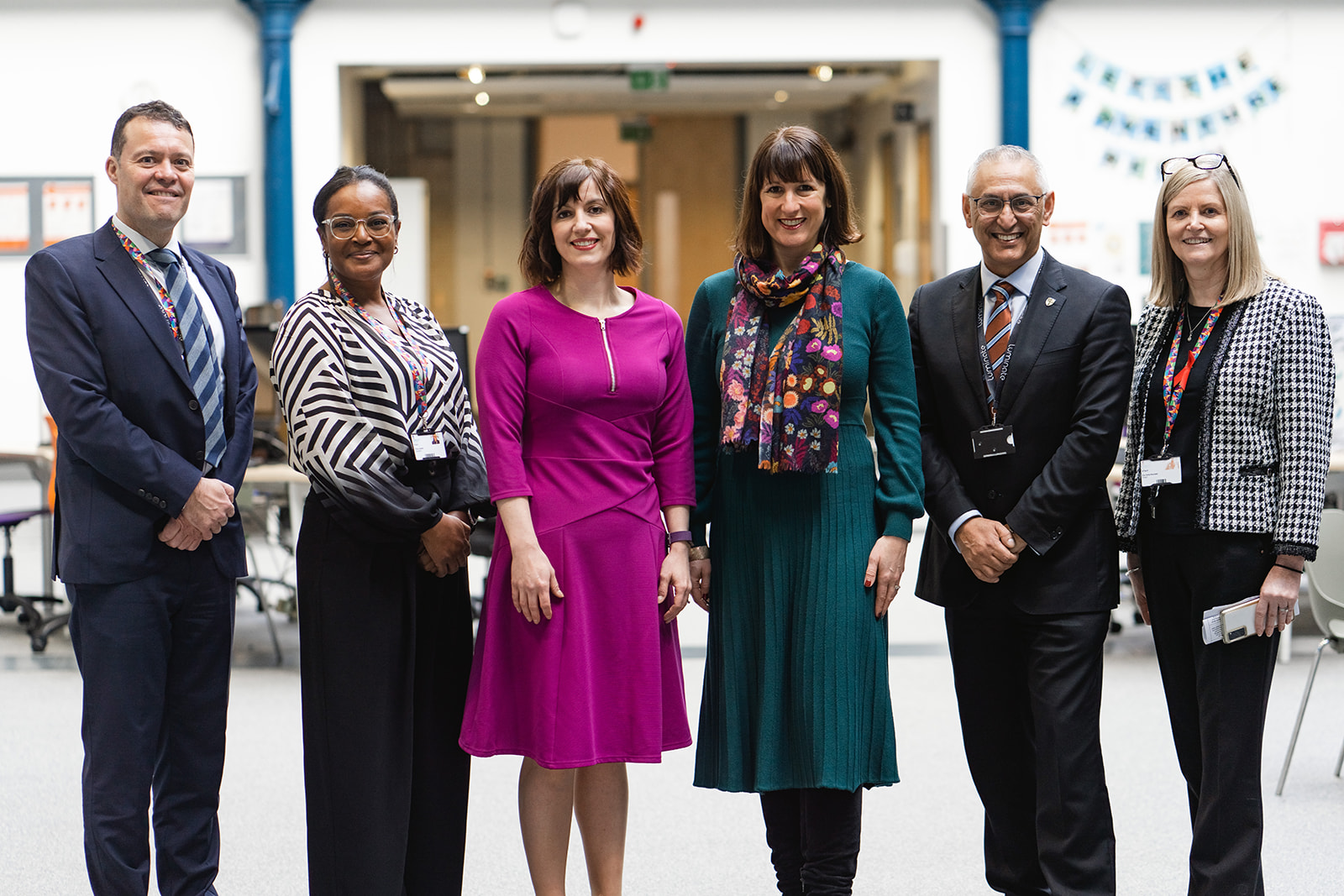
Shadow ministers Rachel Reeves and Bridget Phillipson visit Leeds City College

Shadow Chancellor Rachel Reeves and Shadow Education Secretary Bridget Phillipson visited Leeds City College’s Printworks Campus this month, as the shadow government laid out its plans for the education sector.

The Leeds and Sunderland MPs met with Shaid Mahmood, Chair of Governors for Luminate Education Group, Bill Jones, Deputy CEO of Luminate Education Group, and Printworks Campus Principal, Cheryl Smith. Cheryl shared her overall vision for the campus and future plans for the growth and expansion of teaching spaces, before giving the visitors a tour of the facilities.

During the hour-and-a-half long visit, Bill spoke at length about the college’s short-to-long-term plans to provide fantastic learning facilities for students, including creating new spaces to accommodate the growing number of students (post 16 education) within Leeds.

He added that the college is in need of more space and is continuing to look for more funding to develop its existing spaces to make them more efficient.

He also spoke about how Leeds City College is tailoring its offering to match the skills needs of the region, with a focus on digital and that with improved investment, the sector could contribute, to an even greater extent, to the nation’s drive for improved growth and productivity.

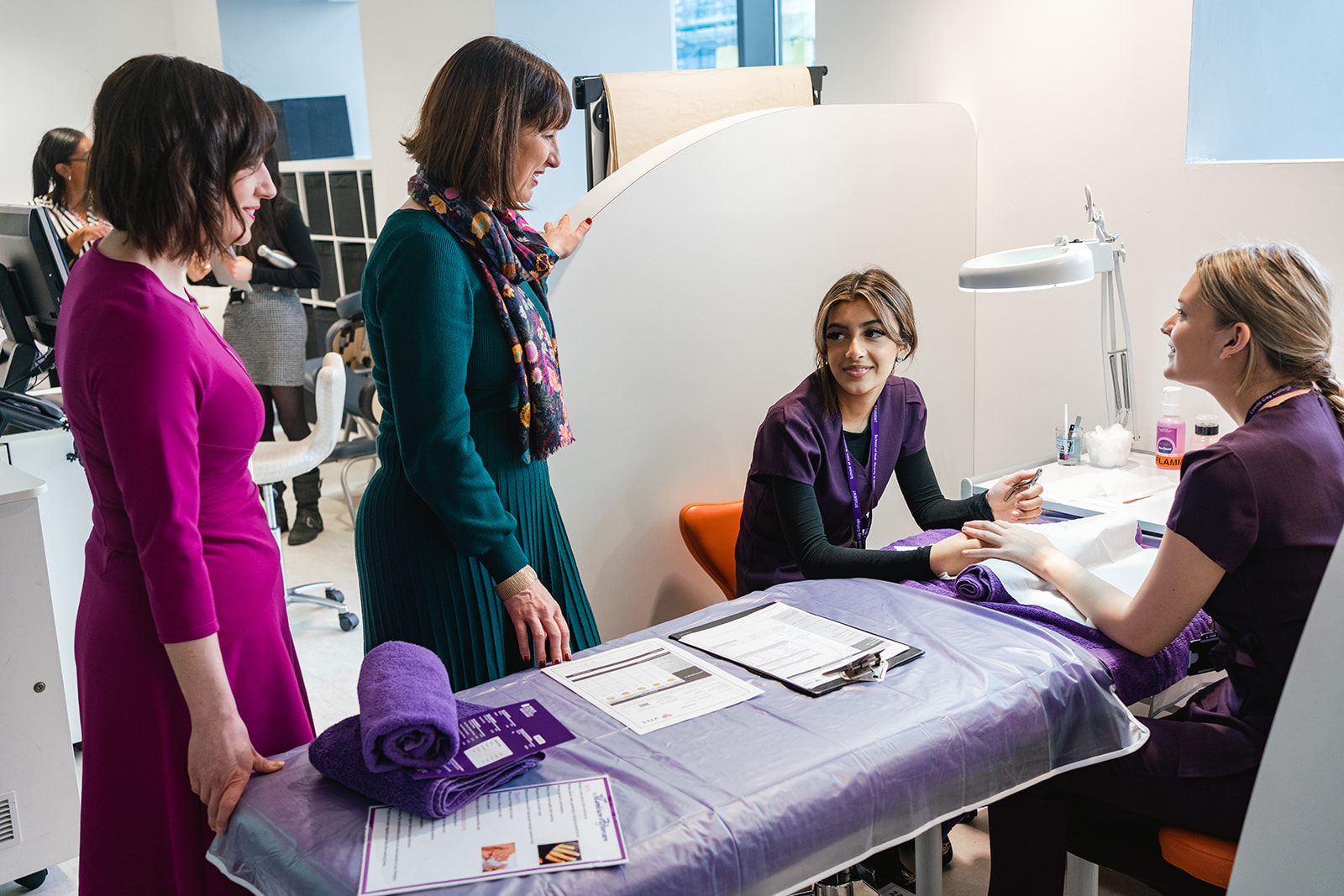
The tour, meanwhile, included the college’s hair and beauty provision, as well as a tour of the School of Engineering. 

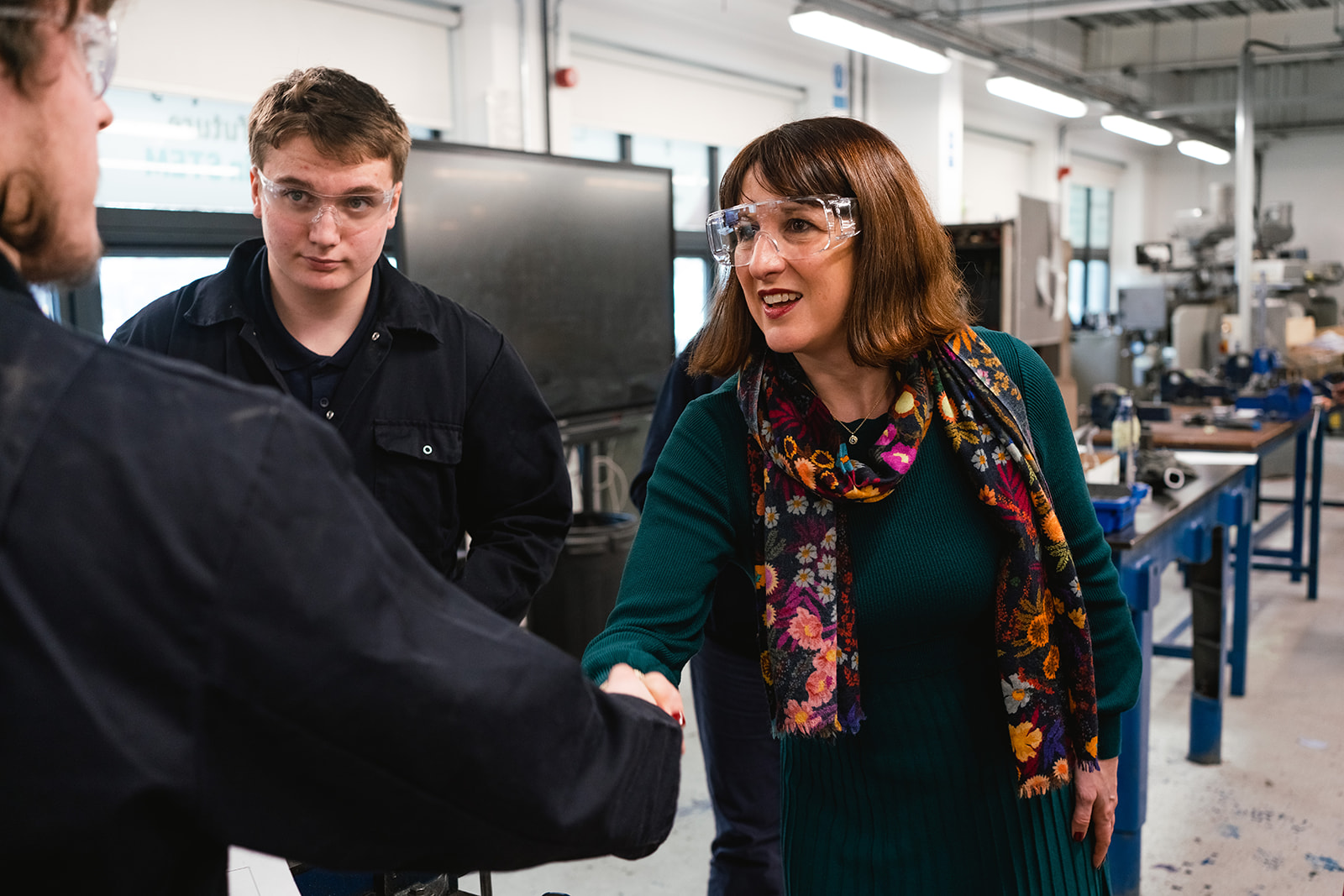
Rachel and Bridget had the opportunity to meet with students from both schools and many of them shared their experiences and aspirations for the future. 

Rachel and Bridget had the opportunity to speak to students

They also had the opportunity to see students demonstrate some of the practical skills they have learnt since joining the college, including hair colouring and manicures.

From micro aerospace components to medical instruments, precise parts are the key to keeping some of the most critical aspects of our modern world running smoothly.  

Engineering student Harry Souter

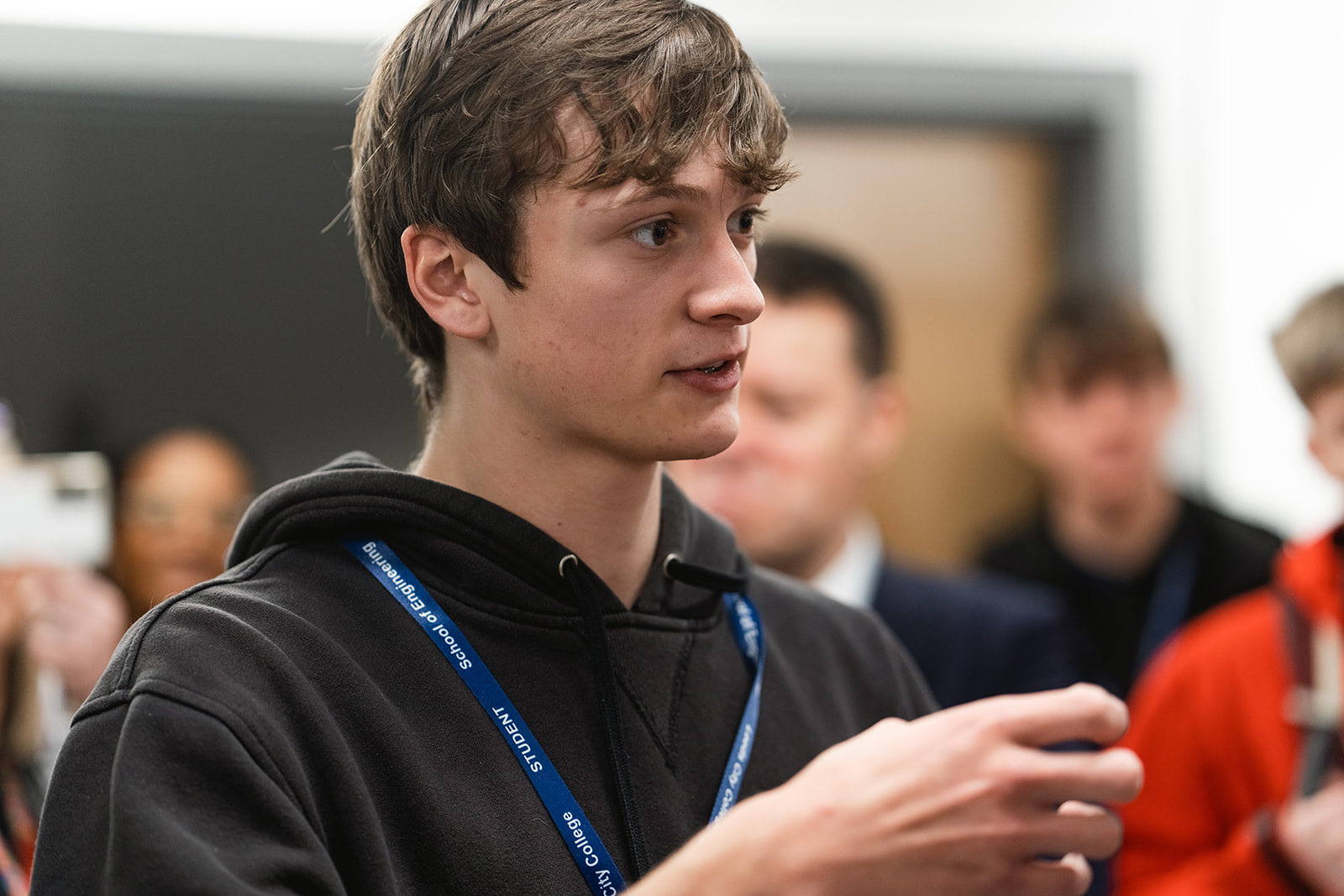
Level 3 engineering student Harry Souter, demonstrated the use of the mill turn machine.

Harry explained how the mill turn worked and its ability to create more complex and intricate parts without needing to transfer the part from one machine to another. 

Mitch Scott, Head of the School of Engineering said: “Manufacturing these very small parts requires the right state-of-the-art equipment coupled with the talent and dedication of the next generation of machinists.”

Cheryl spoke about how the college is working closely with employers so that they are able to directly influence the courses.

“Employers are key in helping us shape our curriculum so that we are able to better equip our students for their future careers. We are now looking at developing progression and destination opportunities for students, this includes our T Level and apprenticeship programmes.”

Rachel Reeves said: “It was brilliant to visit Printworks [campus] with Bridget. 

“Colleges are at the heart of Labour’s ambition for education. We know that by improving skills and creating the good jobs our country needs, we will drive growth and make our economy stronger.”

Bridget added: “Improving skills will drive the growth our country needs for the jobs and economy of the future.”
For more information about courses at Printworks visit the website

Students encouraged to dream big at Next Gen event

Last month, parents and students across North and West Yorkshire had the opportunity to explore post-16 options at the Next Gen: Choices Fair. 

Organised by Luminate Education Group, the event saw representatives from 19 local education providers, employers and training companies come along to showcase the wealth of opportunities open to young people following their GCSEs.

The aim of the event was to support students in making the right choice for them and make them aware of an increasing number of post-16 options.

By hosting a range of different providers under one roof, students were able to explore the various routes available, from continuing into further education at a sixth form or college to vocational options such as apprenticeships, employment or volunteering.

The occasion also provided an opportunity for employers to meet students from across the region, inspire the next generation of talent and promote their organisation. 

Clare Fitzgerald, Head of Stakeholder Engagement & Growth at Keighley College said, “It was great to meet so many Year 10 and 11 students from across West Yorkshire.

“There was so much ambition and motivation amongst those that attended, and it was great to hear their aspirations and offer advice on how they can achieve them.

“I’m delighted that the very first Next Gen event has been so productive and would like to extend my thanks to everyone involved for making the day a success.”

Throughout the event, those who attended were encouraged to be aspirational when thinking about their futures. 

Students added their ambitions to a ‘dreams wall’, which created an inspirational montage of careers and passions they wanted to pursue, and their plan to achieve those goals.

Take a look below at some of the responses students gave.

Chair of Governors Shaid Mahmood awarded MBE

Chair of Luminate Education Group, Dr Shaid Mahmood, has been awarded an MBE for Services to Education in the 2023 New Year Honours list. 

Shaid is the Chair of the Board of Directors at Luminate Education Group and has worked in a diverse range of senior roles in science and industry, in local government and in further and higher education.

Committed to making a positive difference to the lives of others, he is hugely passionate about the power of education and skills to transform the lives of individuals and families least advantaged in society.

Shaid said he was humbled and overwhelmed by the honour.

“I’ve accepted it in memory of my late mother, my family and friends who have supported me and to the many dedicated, hardworking board members, staff, leaders, and managers that have contributed so much to the cause and taught me so much on the way. It’s been a privilege to lead them. This honour is dedicated to them all.”

Shaid is the Pro Vice Chancellor of Durham University and the Chair of the National Association of Colleges (AoC).

As a governor and Chair of the Luminate Education Group, Shaid is also Chair of the group’s Governance & Nominations Committee, a member of the group Finance Committee and Group Remuneration Committee and is a member of the Leeds Conservatoire Board of Directors.

Shaid’s title recognises his work across Leeds and further afield to advance further education. 

David Hughes, Chief Executive of the AoC commented: “I am also pleased to see AoC chair Shaid Mahmood has been made an MBE for his work guiding AoC and as an education leader.”

Find out more about Shaid’s life and work.

Funding for the FE sector is vital if we are to deliver the critical skills the country  needs

Funding cuts over the last decade have hit further education particularly hard; with a looming crisis and  government unwilling to intervene, this could impact the sector in irreparable ways, writes Bill Jones, Deputy CEO of Luminate Education Group

The government already acknowledges that the FE sector is vital to the UK’s economic growth and productivity. This was made apparent in the summer and autumn budgets last year when the then chancellor, Rishi Sunak, planned to apportion more than £3.8 billion towards skills development by 2024-25, equivalent to a cash increase of 42 per cent (26 per cent in real terms) compared to 2019/20.

However, beyond this promise, there was a failure to provide clarity about how much of the allocated funding was additional as much of it appeared to have been rehashed from a pot that had previously been awarded.

The current education budget is not sustainable in our current climate

Even based on the 2021 budget, which included a further £1.7 billion, college spending per pupil in 2024 will still be around 10 per cent below what it was a decade ago. School sixth form spending per pupil will be 23 per cent below 2010 levels, which is not ideal in our current economy. 

We are already in the throes of a recession and this is going to bring about challenges such as unemployment, which will amplify skills gaps. Education in every sense is a fundamental factor of development. No nation can achieve sustainable economic development without a sizeable investment in ‘human capital’. FE colleges will be key to supporting people to gain additional skills and knowledge that can help them stand out from the competition. It will also play a crucial role in securing economic and social progress and improving income distribution.

The reality is that school and college spending has seen major cuts over the past decade and like the Association of Colleges, and other unions/organisations, I agree that a real-terms cut in funding will be detrimental. It is also concerning that there are considerations being made for further ‘efficiencies’ in public spending but with the rate at which the economy is going, there is no room for efficiencies.

Further efficiencies, means further cuts, and where the education sector is concerned, will mean that our ability to deliver programmes that prepare young people and adults for the labour market will be reduced because of lack of resources. It will also result in the most disadvantaged people missing out on vital education and the country further combating skills gaps.

The government needs to expand opportunities within the FE sector, based on efficiency and equity. This means ensuring that we are at the heart of its strategic plans as essentially, we are the drivers of skills development.

We recently wrote to the education secretary and expressed our concerns about the lack of funding and the impact it will have on the delivery of quality education, teaching staff and resources.

As a sector, we are a first choice provider and offer young people and adults a second chance to gain the necessary knowledge and skills that lead them on to higher education or employment; FE needs to be taken seriously. Robust frameworks need to be put in place so that it is not lagging behind when it comes to allocation of resources. We want to be in a position to respond to the different and changing needs of people who want to learn and  improve their lives through education. 

Apprenticeships need more reform and promotion

In April 2017, the government introduced the apprenticeship levy, which aimed to put skills development in the hands of employers to address skills shortages within their business. While we welcomed the move, we would like to see reform of the apprenticeships system to make it more flexible and transparent, as it will help achieve a bigger boost to skills development.

Apprenticeships will be an integral part of the UK’s growth strategy in the years to come, therefore, there needs to be assurance that funding created through the levy is sustained and used effectively for the national good.

Adult education budget needs to be revisited 

Adult education has been impacted very significantly across England over the last three years. I believe that the adult education budget needs to be revisited as the clawback on adult skills funding from colleges and other grant-funded organisations like local authorities, risks hitting colleges at an already very challenging time. 

We want to continue supporting adults who need to upskill or reskill in order to secure more sustainable employment, but in order to do this, the 90% threshold needs to be reduced or it could force providers to lose focus on these priority learners and cause colleges across England to reduce capacity for adult skills.

More cuts will greatly impact driving the skills agenda nationally 

We want to be able to do more to drive economic growth/recovery, as well as tackle some of the wider regional issues and social inequalities. However, the funding model needs to reflect and support the huge social and economic benefits that come from that.

We are already seeing cuts in extra-curricular provision, such as school trips and clubs, across the country. If we are not prioritised in terms of funding, we will see learners not developing the transferable skills required by the jobs market. This will have a knock-on effect as the UK continues to face growing skills shortages.

Declining funding has real consequences for learners, especially those from disadvantaged backgrounds and if no more money is funnelled into the sector, we will see educational outcomes get worse in the future as a result of this neglect.

Colleges have fixed budgets from the Department for Education but with energy prices set to quadruple, we’ll have to cut the resources we have for staff at a time when we are already experiencing staff pay difficulties. 

Over the last decade, college staff pay has fallen behind inflation by 35%, this means that the vast majority of college staff are financially insecure.

FE staff are highly skilled and their work is essential, not only to our students and sector as a whole, but to the region’s future prosperity. With the rise in the cost of living, the impact on the profession over the last two years has been incredibly challenging, leaving us concerned about retaining some of our best staff. 

I believe that the levelling up agenda that the government has been pushing must also include saving the vital support staff jobs which are dwindling, with huge damage for students with special educational needs and disabilities (SEND), who need personalised support. 

Make VAT status same as multi academy trusts

One feasible suggestion is looking at the VAT status of the FE sector. For many years, successive governments told FE colleges that we could not have the same VAT status as academies and schools because of European Union rules. I am calling upon the treasury to review and consider creating a level playing field in post-16 education and move FE corporations onto the same VAT status as multi-academy trusts and 16 to 19 free schools.

If the government wants us to deliver T Levels, increase apprenticeship delivery, and grow adult provisions, there needs to be a full commitment to providing the FE sector with the necessary financial backing. It also needs to strongly support the courses that strengthen the UK’s thriving industries.

Carbon-neutral by 2035 – our pledge on sustainability

Luminate Education Group has vowed to become a net zero organisation by 2035.

Our newly agreed Climate Emergency and Sustainable Development Pledge spells out our commitment to hit the target by taking group-wide action to cut carbon emissions.

“Climate change and ecological destruction are some of the biggest challenges of our time.

“Schools, colleges and universities, like all institutions, have a responsibility to address them; and to meet the UK government’s target to reach net-zero emissions by 2050.

“Luminate Education Group seeks to do so much sooner.”

We will achieve net zero when the amount of greenhouse gases that we are producing is equal to or less than those we are removing from the atmosphere. 

Wide-ranging actions to hit our target

Some of the main steps we will be taking to achieve the goal by 2035 or earlier – the pledge also includes an aspirational date of 2030 – include:

  • Changing our estate and buildings to become more energy efficient, reduce waste and generate their own energy
  • Developing sustainable travel plans for each of our sites
  • Embedding sustainability and green activities into staff development, student life and across our curriculum
  • Encouraging biodiversity on our sites, ensuring areas are dedicated to wildlife and planting
  • Partnering with organisations that value sustainability and hold events to support climate action

Our members will continue to provide, and develop, the green skills instruction that our students and partners need to thrive in a zero carbon economy too. And carbon literacy training will be offered to all our students.

Regular updates on progress

To monitor progress, we are also committed to measuring our carbon footprint – benchmark data is currently being collated – and publishing the findings regularly.

Looking ahead, the pledge – formulated by our Climate Emergency Committee – adds: “We will commit to our pledge and develop a detailed roadmap to outline the actions, resources, time and behaviours that will be necessary to achieve our objectives.

“We can’t do this alone. We will work with stakeholders, businesses and our community through networks, events and advocacy.”

Breaking down research barriers to enhance teaching

A new group has been started to ensure our staff can learn about and benefit from each other’s research.

Laura Kayes hopes the Research Development Group (RDG) will encourage colleagues from across multiple disciplines and campuses to share the extra work that so many of them are doing. The group also picks topics of general interest to discuss, and delves into existing research.

Laura, an Advanced Practitioner in teaching, learning and assessment and a Creative Arts lecturer at University Centre Leeds, uses her own research to inform her teaching.

She is currently undertaking funded* research – through her doctorate in education with the University of Sheffield – into the impact poverty can have on 16-19 year old learner outcomes in FE.

Laura was asked to take over the RDG shortly after it had started, at the end of 2021 – and jumped at the chance.

A chance to share insights

She said: “The group is about enhancing scholarly activity within Luminate Education Group. When I started conducting my own research, I realised that there’s a lot of valuable research that’s not being shared, and I wanted that to happen.

“Further education is rich in the diversity of its workforce but for some of our staff their first contact with higher education may be doing a PGCE or teaching qualification.

“So they’re not too familiar with higher education and it can seem a bit intimidating – there’s a tendency to always see the word ‘research’ and think it’s very academic, and I wanted to break that down.

“For the first  session after I took over, I brought in research about how to be authentic in the workplace. That seemed a good starting place because it impacts everybody, is something we can all talk about and, though it had been researched, it had been done in a very human way.”

Gaining insights from outside our comfort zones

Laura is conscious that one of the strengths of the Luminate group – its size and breadth of campuses and disciplines – can also be a barrier when it comes to collaboration.

The RDG, however, is focused on encouraging colleagues to look outside of their own fields to see what they can learn from, and share with others.

She said: “As teachers we’re curious people, that’s why we’ve chosen to go into this field, but it’s really easy to become insular once term starts and we’re all so busy.

“We’re massive here at Luminate so sometimes it’s not so easy to share practice. But we all have lessons to be learnt from different fields.”

A bite-sized approach

Aware of how intimidating some research can seem, Laura is getting the group to adopt an approach that makes sophisticated ideas easily digestible.

At another recent meeting of the RDG, for example, Zach Cotter – who has a doctorate in neuroscience – spoke about his in-depth research into the workings of the brain.

The subject could easily have seemed impenetrable but Zach, a course leader for T Levels in Digital Design and Production and Digital Support Services, took pains to make sure that wasn’t the case.

Laura said: “Zach brought along some really scientific research about the mind and talked a lot about brain scans.

“There were some really challenging ideas in there but he was really gentle in his approach, so it didn’t feel overwhelming, and the feedback we got was that it was accessible to people.”

She added: “Going forward I want to use a gradual release model that lets us break research down into bite-sized pieces so we can discuss it, consider how we might apply it, and even conduct our own research on the impact of doing so.

“We have a lot of staff involved in research that not too many of the wider group know about, so the next step is to get them feeling like they have something valuable that they’re willing to share.”

The RDG is open to any colleague with an interest in educational research, and meets once every half-term.

*Laura’s research is being supported by the Association of Colleges (AoC) and Northern Council for Further Education (NCFE).

Website designed and built by Web Phizix