×

It’s time to end the academic-technical divide

For too long, academic and technical education have been treated as separate routes. Yet we should not expect young people to choose between them at an early age. That divide does not reflect what young people need or what employers value.

The Government’s proposals to expand technical education for 14- to 16-year-olds are a step in the right direction. Giving young people access to high-quality vocational learning can widen opportunities and connect education more effectively to the needs of the workforce.

But we should be more ambitious.

Rather than creating a stronger technical route alongside an academic route, we should use this opportunity to rethink the architecture of education itself, creating an integrated tertiary system in which academic knowledge, technical capability, vocational learning and practical experience combine.

Schools, colleges, universities and employers are often incentivised to operate in isolation. Building an ecosystem with a shared ambition will allow for seamless progression between education, training and employment, with strong regional accountability. 

We also need to challenge long-standing assumptions. Technical education should not be seen as the only option for practical learners, or those who have not thrived in mainstream education. Equally, those who pursue an academic route should not miss out on practical opportunities.

Employers increasingly need people who can combine different types of skills. Engineers need mathematical and theoretical knowledge, health professionals need academic knowledge and practical competence, and designers need theory, creativity and technical capability. Modern work is increasingly interdisciplinary, yet our education system still asks young people to make artificially binary choices.

Skills England’s 2026 Annual Skills Report shows that more than a quarter of job vacancies are hard to fill due to skill shortages. This highlights the importance of developing the transferable skills that enable young people to succeed in the workplace – from communication and teamwork to problem-solving and adaptability.

It also underlines the need for an education system built around the workforce of the future, where academic, technical, vocational and occupational learning are complementary. The ambition should be about progression, not just pathways, where young people can move between these routes without being labelled or trapped by a choice they made at 14 or 16.

The new V Levels policy by Skills England is encouraging as it creates greater scope for learners to blend academic and vocational learning, allowing combinations of qualifications that better reflect individual interests. We now have the opportunity to embed that principle across the wider education landscape, so qualifications become components of one system.

We need clear, mapped progression routes to higher apprenticeships, university and employment, ensuring that every stage of learning connects meaningfully.

Nearly one million young people aged 16 to 24 in the UK are not in education, employment or training (NEET), highlighting the need for education providers and employers to work together to smooth the transition from education to the workplace.

At Leeds City College, our 14+ Academies, which offer a direct-entry option for young people in Years 10 and 11, provide an opportunity to build connections early by creating an environment where real-world and employability skills sit alongside academic learning.

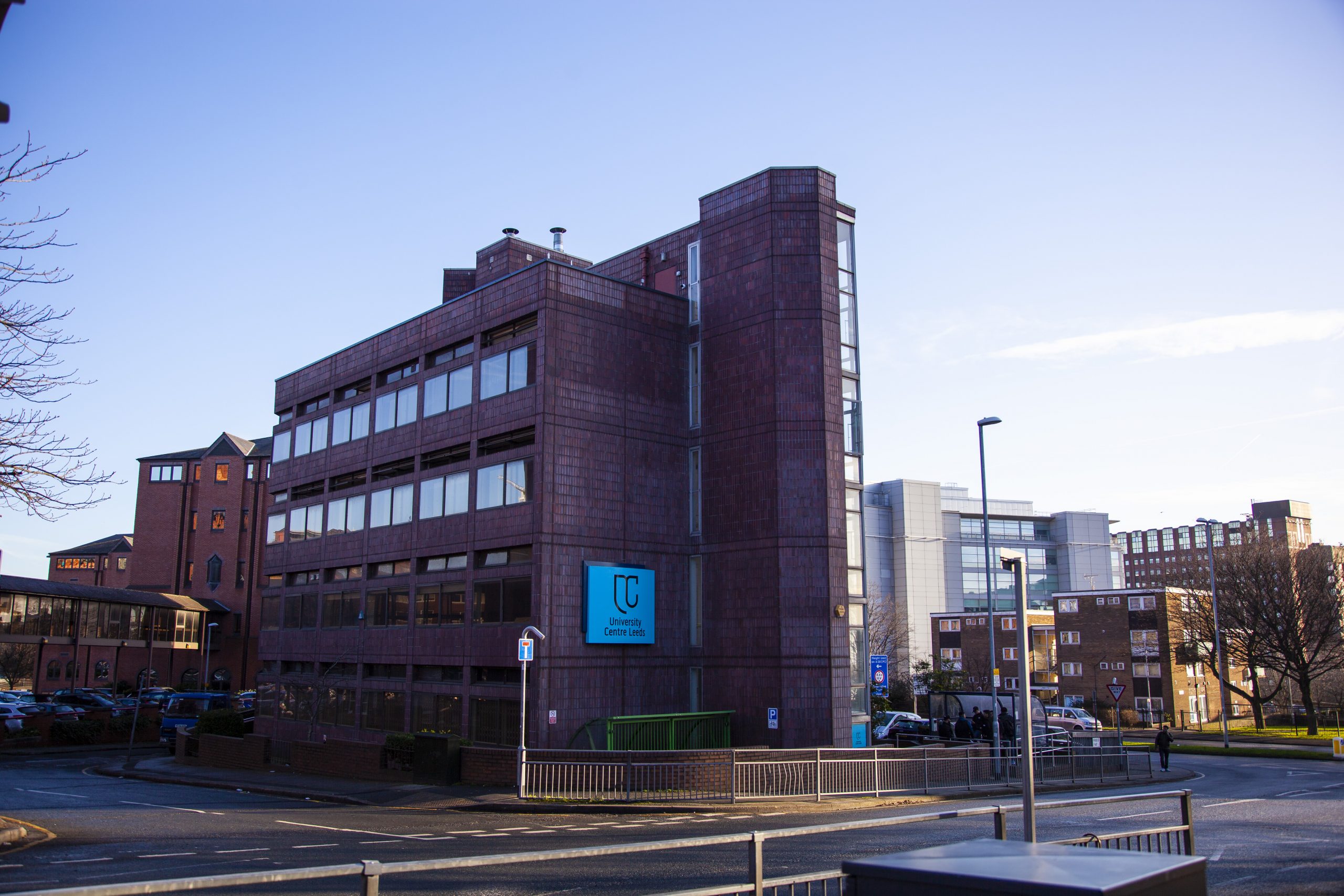
Universities must be part of the conversation too, working closely with FE providers to widen access and remove barriers to learning. Our strategic alliance with Leeds Beckett University, alongside our own HE provision at University Centre Leeds and Leeds Conservatoire, is based on that ambition: retaining our distinctive identities and strengths while deliberately designing provision, progression and collaboration so that learners experience a coherent educational journey rather than institutional silos. 

This matters because skills needs vary across different areas. A successful tertiary system should reflect local economies and communities, with employers helping shape the provision and local businesses and institutions all working together to help young people progress.

The economy doesn’t need more technical education at the expense of academic education. It needs people with the right blend of knowledge and skills.

We should stop asking which route a young person is on and start asking whether the system is giving them the tools they require to progress. If we get this right, the reforms could help accelerate the building of an integrated tertiary skills ecosystem that our young people, employers and region need.

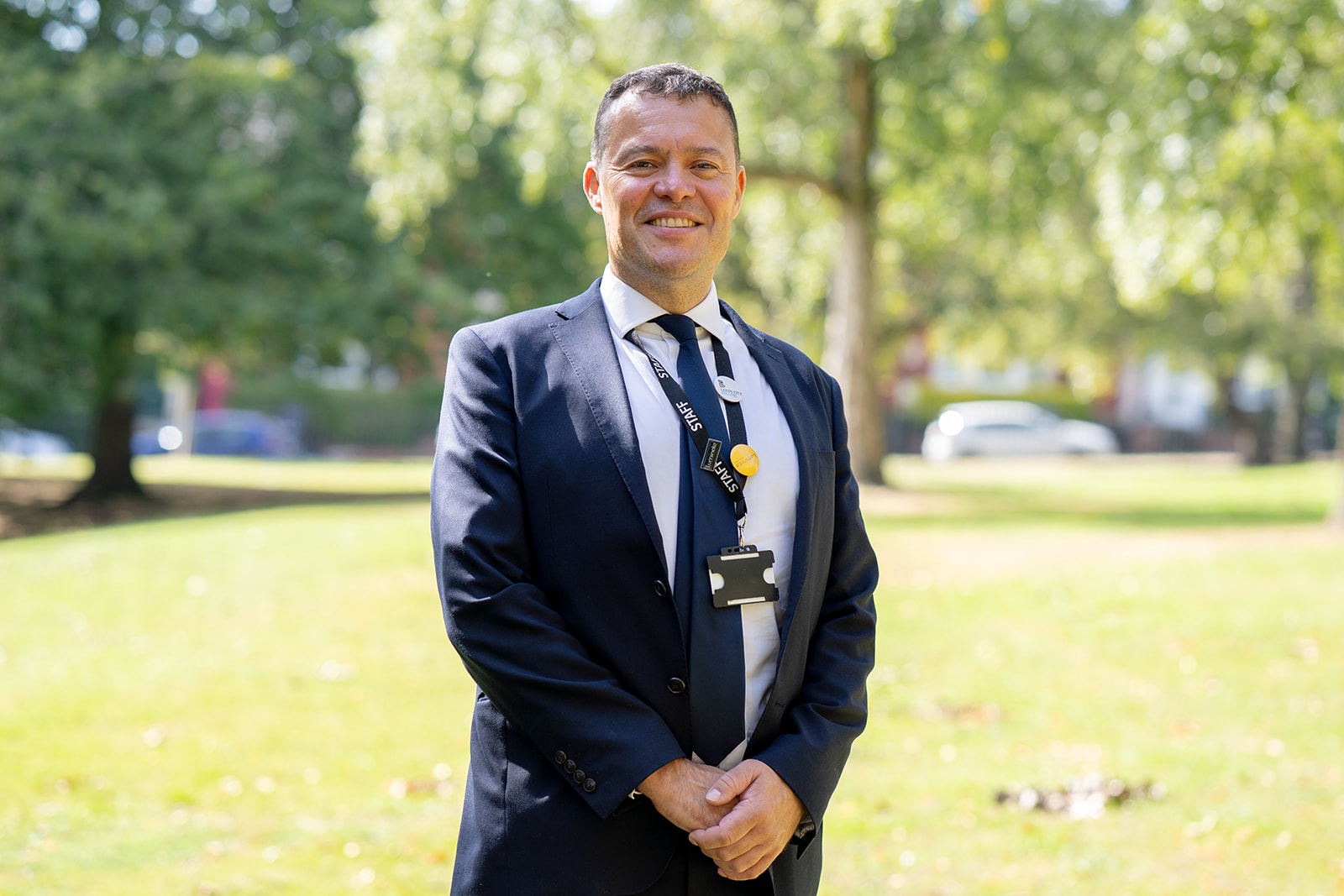
By Bill Jones, CEO, Luminate Education Group
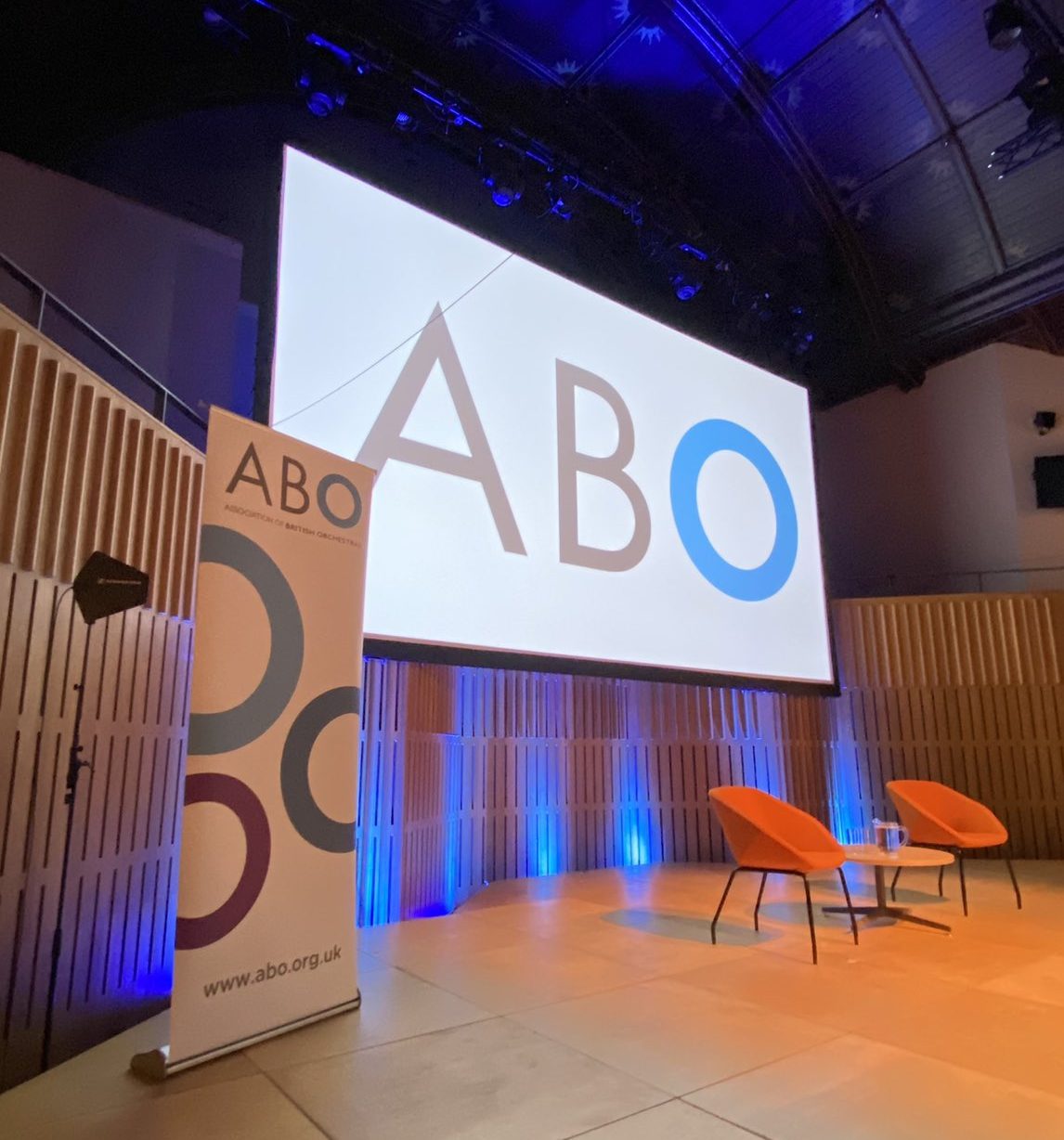
Leeds Conservatoire Leads Session on Classical Music Inclusivity at ABO Conference

Leeds Conservatoire’s Equality, Diversity and Inclusion (EDI) team led a session titled Is There a Seat for Someone Like Me? at the Association of British Orchestras (ABO) Conference.

The ABO represents the collective interests of professional orchestras, youth ensembles and the wider classical music industry throughout the UK, and the conference is its primary event each year. This year’s conference took place from 1 to 3 February at Opera North’s Howard Assembly Room.

The conference explored the experiences of underrepresented student musicians in the orchestral talent pipeline, creating conversations around what more the industry should do to welcome underrepresented talent, develop inclusive practice and tackle systemic inequalities.

Nick Burdett, Projects Team Manager and EDI Lead at Leeds Conservatoire, said, “Having the opportunity to create conversations that share the lived experiences of some of our underrepresented students with industry leaders in the orchestral sector is extremely valuable. It is vital for the next generation of musicians to have visible, relatable role models within the industry to develop a genuine sense of belonging.

“We know that there is still a long way to go to make sure that there is a seat for everyone, but by working together we hope to create the positive, systemic changes that all of our future orchestral musicians deserve to experience. We hope to continue the work with our students, staff and partners to influence inclusive practice across the sector as a whole.”

The session was a great opportunity for Leeds Conservatoire to collaborate with some of its partners, with Black Lives in Music, Opera North and Orchestras Live all supporting the facilitation alongside current conservatoire students and staff members. Together they led conversations surrounding ethnicity, gender and neurodiversity, raising the profile of Leeds Conservatoire’s ongoing EDI work and commitments, and creating conversations to support the changes we hope to see for our musicians who wish to enter the industry, with leading organisations from across the UK.

Roger Wilson, Director of Operations at Black Lives in Music, said, “This was a fantastic session and brilliantly led by the conservatoire’s EDI team, who maintained sensitivity at the centre of this very important narrative. Bringing diverse voices into one space can only pay dividends. The effect is all the more powerful when those voices have so much lived experience.

“The compelling and personal stories that were shared, facilitated a visceral connection with the session content for those in the room. Having this opportunity to listen, talk and share is important in order to be reflective, learn and to be active in the campaign for real representation and establish safe and inclusive spaces in our sector.”

Becky Smith, Head of Higher Education Partnerships at Opera North, added, “As someone who works for an organisation which supports talent development in our sector and actively engages with student musicians through our partnership with Leeds Conservatoire and other institutions, the session provided a space for thoughtful reflection and discussion on what we are doing and could be doing better to ensure inclusive practice is embedded in all our activities.

“The scenarios discussed, lived experiences shared and positive suggestions made for improvement were really valuable and will hopefully inform and lead to some positive change as we move forward.”

Historic moment for Pudsey with opening of new sixth form

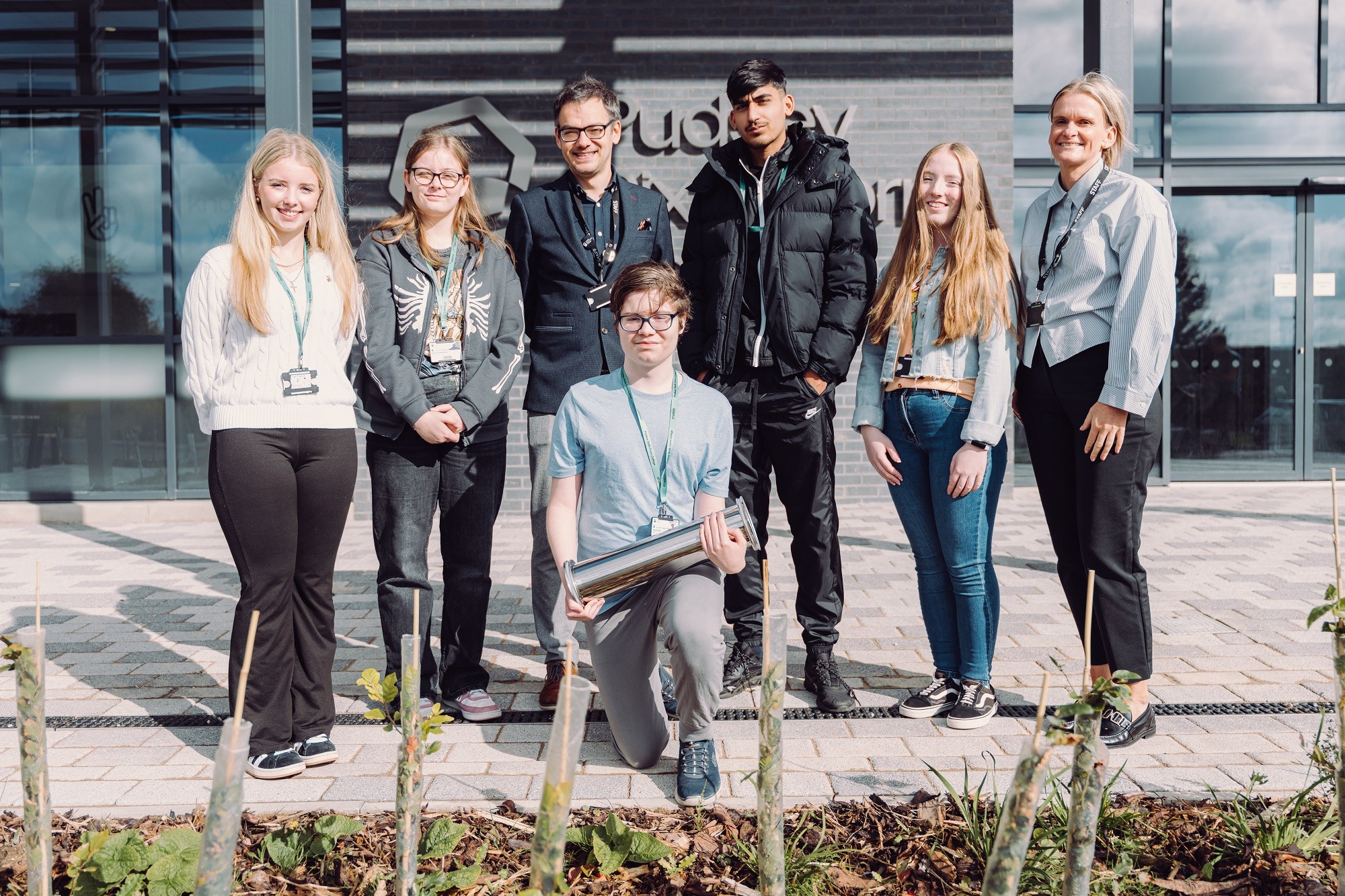
A time capsule has been buried to mark the opening of Pudsey Sixth Form College. Pudsey Sixth Form College, a partnership project led by Leeds Sixth Form College in collaboration with local high schools, began welcoming its very first students on Wednesday 10 September.

The opening represents the culmination of a long-term commitment to plug a gap in the local provision of A levels, T Levels and other post-16 courses.

Some of the college’s first students are contributing objects and ideas, including letters to their future selves and thoughts on this year’s biggest songs and movies, for a time capsule that will be buried to capture the moment.

Principal Dr Phil Mark – who also leads Leeds Sixth Form College – said: “It has been a real pleasure to throw our doors open this week and show our first students around these fantastic, purpose-built facilities.

“This sixth form is something the area has needed for years, and will give Pudsey’s talented young people the chance to gain the qualifications they need to progress, in work or education, without having to move away or travel. The key goal is for it to feel like a seamless next step for local school students.

“The fact we have successfully brought this project to fruition is a real testament to partnership work, and I want to thank Crawshaw Academy, Co-op Academy Priesthorpe and Leeds West Academy for their untiring support as we’ve pushed ahead together to realise our shared vision.

“This is an important moment for Pudsey and its community, and we are looking forward to working closely with businesses and community groups as we strive to deliver the very best education and training for our learners.”

The idea is for the time capsule, which will soon be buried in the sixth form’s grounds, to be opened up by students and staff 25 years from now.

Learners from the college’s three feeder schools have been coming up with ideas for what to fill it with.

The contents will range from lighthearted questions, such as ‘I wonder if Taylor Swift and Travis Kelce will still be married?’, to more weighty topics like politics and sustainability (the sixth form has been built to exacting environmental standards, and uses heat pumps and solar panels).

Grace Kernick, who has moved up from Co-op Academy Priesthorpe, has already been enjoying putting the brand new chemistry labs through their paces.

She said: “It’s great to have a college that’s so close to home.

“I’ve been supported every step of the way in my transition from school, and even got to visit the sixth form while it was being built – it’s been excellent.

“The building itself is so spacious and very easy to get around.”

Former Leeds West Academy student Millie Sanderson has also experienced a smooth start to college life. 

Millie, who is studying sociology, psychology and politics, said: “It’s easier to get here than it is to go into Leeds to other six forms, and it’s been good, the rooms are modern and nice.

“I’ve got really high anxiety levels but I’ve had lots of support here to help me.”

The sixth form – which also offers alternative qualification pathways including BTECs, AAQs, and a five GCSE re-take programme – has been built to have capacity for up to 650 students, and aims to hit that target by its third year.

Last week, as part of its commitment to being a good neighbour, the college invited local residents in to enjoy a tour around its facilities.

An official opening will take place this autumn and will include representatives from the partner schools plus special guests.

Photography: Matt Radcliffe

STEM

Independent board marks a new chapter for University Centre Leeds

We are pleased to announce that, from September 2022, University Centre Leeds (UC Leeds) will have its own stand-alone board to oversee decision-making on statutory, financial, quality and curriculum matters.

The creation of an independent board symbolises a new chapter for UC Leeds and is a reflection of the ongoing commitment to higher education from Leeds City College and Luminate Education Group.

With 1,400 students and 58 courses, the curriculum teams at UC Leeds have dedicated significant time and effort to ensure they are meeting the needs of learners. In response to this, Luminate has won a bid to invest £12m for a new HE space at Magbate, which will further improve student and staff experiences, as well as allow for growing capacity.

Earlier this year, UC Leeds’ ongoing commitment to creating and providing quality learning experiences was recognised by the National Student Survey results, in which they once again achieved the highest overall student satisfaction level of all of the city’s higher education providers.

Such successes, alongside what is happening in the sector in relation to the Office for Students’ (OfS) requirements, means that now is the perfect time to invest in a dedicated board. This will enable more focus and resources to be committed towards helping UC Leeds achieve its goals, which include becoming a higher education institution with awarding body powers, as it forges ahead.

Governance in education is incredibly important as it not only holds UC Leeds to account, but also helps them be even more strategic and forward-thinking within the communities they serve. It enables them to more closely scrutinise the quality of the education that they offer to students, so they can be more competitive and outcome-focused. At the centre of this decision is ensuring that the university centre continues to offer quality educational experiences for students.

Having a specialist board is an exciting development for UC Leeds that will result in governors contributing to strategic planning and decision-making, as well as advising on curriculum to ensure they maintain the highest standards.

The independent board will be responsible for oversight of quality and standards, as well as overseeing a strategy for continuous improvement. A Chair of Governors has already been appointed – Mark Garratt, who has over 11 years’ experience in senior roles at a number of UK universities.

He said: “Having been on the board of Leeds City College as the higher education link governor since 2017, I’m delighted to now become chair of the newly formed University Centre Leeds Board.

“These are exciting times for higher education in the UK, with universities taking an active and important role in helping to prepare students for an increasingly diverse range of careers.

“I look forward to working with the executive team to support students from all backgrounds in transforming their lives.”

The board will be made up of members from a broad range of professional backgrounds, to represent UC Leeds’ core curriculum offer of healthcare, STEM, legal and creative arts subjects. A student member of the board has already been identified, and nominations for a staff member to join will soon open. We will share further information on this with you soon.

Navigating the post-16 education maze

For so many people, Level 3 qualifications represent a vital step towards their future career – but the array of options available, in both vocational and academic routes, can be baffling. With the government’s review of a proposed overhaul of these courses now complete, has the path become any clearer?

For students and parents alike the sheer breadth of options available in post-16 education can be both exciting and a little overwhelming.

The previous government, in a bid to improve skills and employability while streamlining the system, began a wide-ranging reform of Level 3 qualifications which looked at everything from BTECs and T Levels, to A levels and apprenticeships.

The stated aim, to create “clearly defined academic and technical routes” for post-16 progression, was admirable. But the shake-up also carried real risks, not least through the proposed ending of hundreds of courses, including many BTECs; with the worry being that some learners could be left with nowhere to go.

So the current government’s decision to hold a review of the reform process, to end some of that uncertainty, was welcome. Now we have the outcomes of that review, what is the outlook for colleges like ours and prospective students?

The headline result is that no fewer than 157 of those originally under-threat qualifications will continue, at least for the next year or two. We also have assurances that the defunding of certain qualifications will be done in phases, to minimise disruption and allow for a more managed change.

Of equal importance is the government’s decision to leave the question of what combinations of qualifications education providers can offer to them. Its report, The outcomes of the Review of Qualifications Reform at Level 3 in England, states: “It should be for colleges and sixth forms to work with students to devise the best mix for each individual.”

That makes perfect sense as each area’s college is much better-placed than the Department for Education to know what skills-blend is actually needed by its local economy, and therefore its learners. Many colleges have spent decades building up strong working relationships with their region’s businesses and organisations, and sometimes formalised this process – as we have through Harrogate College Employers’ Network – to increase its effectiveness.

Doing so reaps all kinds of tangible benefits. For our students, for example, it has led to collaboration and work experience with respected organisations like RHS Garden Harlow Carr, Rudding Park and Techbuyer, to name a few. Our partnership with Harrogate District Hospital, meanwhile, has secured T Level placements, supported internships and a variety of apprenticeship opportunities.

And our business links also ensure a steady stream of fact-finding trips for our learners to places like Energy Oasis, Transdev Blazefield, top tier local restaurants and West Yorkshire Police’s training centre at Carr Gate Complex, while local businesses regularly visit our campus to share their expertise.

These kinds of experiences, the result of hard-won grassroots knowledge and years of networking, are mirrored in colleges across the country. So it is pleasing to see the government, in its findings, acknowledge the value of that.

The review report notes that: ‘Students and employers need a simpler range of high-quality qualifications, which provide them with the skills they need’. With funding set to be removed from more than 200 less popular courses, the simplification part of that ambition seems to have been at least partially accomplished.

The challenge has been to ‘trim away the fat’ while ensuring the courses that remain offer a valuable and accessible pathway for students of all kinds of ability levels.

That appears to have been achieved, as learners still have a rich and layered range of routes into their chosen career or next educational stage, outside of the traditional academic route of A levels-then-university.

T Levels, which blend classroom learning with substantial industry placements, are the high-level technical option that the government is particularly keen to promote. It is easy to see their appeal: not only do they give learners a ‘head start’ and experience in their chosen field, but also – with each T Level being worth the equivalent of three A levels – offer an alternative path to university.

Alongside these exist a wide range of BTEC and other applied general technical qualifications which also support progression into work or higher education. These qualifications cover subjects ranging from electrical engineering, bricklaying and childcare to business and marketing, creative media and uniformed protective services. And then there are all the apprenticeship and internship options, which can provide direct routes into so many different kinds of jobs.

So, there’s still plenty to consider for those mulling over their next steps. The important thing for prospective students to remember is that teachers, careers advisers and colleges, across Yorkshire and the UK, are here to help them decide what will work best for them: the door is open.

Danny Wild is Principal of Harrogate College, which is a member of Luminate Education Group.

Sixth form students achieve degree standard grades

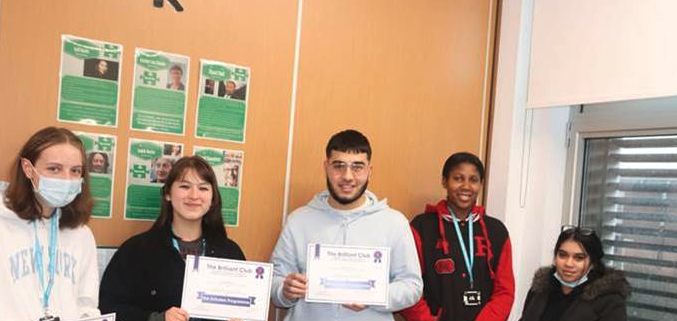
Six diligent and dedicated students from Leeds Sixth Form College are celebrating their outstanding results after achieving high grades in the The Scholars Programme.

The programme gives pupils aged 9-17 from schools and colleges in the UK the opportunity to work with a PhD researcher across a range of disciplines  including science, technology, engineering and mathematics (STEM), arts and humanities and social sciences.  

The 12-week course also helps students develop knowledge, skills and confidence to progress to the most competitive universities in the country.

Students, Alifa Rahman and Muhao Mwangala attained first class honours in a STEM subject, while Mujib Osmani and Grace Tingay attained a lower second class. Humanities students, Mila Appleby and Qasim Hussein also achieved high honours.

To launch the Autumn term, students attended a series of live, online events with university partners such as Bath University, Exeter University and University of Bristol, among others. 

The live events introduced pupils to the programme and gave them a taster of student life at one of the most competitive universities.

Graduation event at University of Exeter

Students took part in a remote graduation event with the University of Exeter to celebrate their achievements. The event included a welcome from The Brilliant Club, and a session led by the university of X, to give pupils further information, advice and guidance.

Dr. Elisabeth Protopapa,Head of Academic Studies in Leeds Sixth Form College, said: “This is another fantastic year for our students who have really applied themselves to the additional work required to successfully complete the programme. 

“I am proud of them as they persevered through a very challenging time to complete the final elements of the project remotely, following  lockdown. They all rose to the challenge and I have no doubt that they will go on to achieve great things at university and in their chosen careers.

“The scholars programme is a well-known and respected initiative across the education sector. It is highly sought after by Russell Group universities as it recognises and celebrates students for having the right academic approach for continuing their studies at degree level and beyond.”

Dr Lawson, Programme Officer for the scholars programme, said: “The final assignment is supposed to be challenging, being pitched at a level above where the students are currently working at in college. We recognise that this academic year has continued to present challenges for schools and colleges, and so we are particularly pleased that the students were able to submit their assignments and do so well.”

More than 200 researchers across the UK worked with over 4,000 pupils in 263 schools to deliver the programme this academic year.

Website designed and built by Web Phizix