

It’s time to end the academic-technical divide
For too long, academic and technical education have been treated as separate routes. Yet we should not expect young people to choose between them at an early age. That divide does not reflect what young people need or what employers value.
The Government’s proposals to expand technical education for 14- to 16-year-olds are a step in the right direction. Giving young people access to high-quality vocational learning can widen opportunities and connect education more effectively to the needs of the workforce.
But we should be more ambitious.
Rather than creating a stronger technical route alongside an academic route, we should use this opportunity to rethink the architecture of education itself, creating an integrated tertiary system in which academic knowledge, technical capability, vocational learning and practical experience combine.
Schools, colleges, universities and employers are often incentivised to operate in isolation. Building an ecosystem with a shared ambition will allow for seamless progression between education, training and employment, with strong regional accountability.
We also need to challenge long-standing assumptions. Technical education should not be seen as the only option for practical learners, or those who have not thrived in mainstream education. Equally, those who pursue an academic route should not miss out on practical opportunities.
Employers increasingly need people who can combine different types of skills. Engineers need mathematical and theoretical knowledge, health professionals need academic knowledge and practical competence, and designers need theory, creativity and technical capability. Modern work is increasingly interdisciplinary, yet our education system still asks young people to make artificially binary choices.
Skills England’s 2026 Annual Skills Report shows that more than a quarter of job vacancies are hard to fill due to skill shortages. This highlights the importance of developing the transferable skills that enable young people to succeed in the workplace – from communication and teamwork to problem-solving and adaptability.
It also underlines the need for an education system built around the workforce of the future, where academic, technical, vocational and occupational learning are complementary. The ambition should be about progression, not just pathways, where young people can move between these routes without being labelled or trapped by a choice they made at 14 or 16.
The new V Levels policy by Skills England is encouraging as it creates greater scope for learners to blend academic and vocational learning, allowing combinations of qualifications that better reflect individual interests. We now have the opportunity to embed that principle across the wider education landscape, so qualifications become components of one system.
We need clear, mapped progression routes to higher apprenticeships, university and employment, ensuring that every stage of learning connects meaningfully.
Nearly one million young people aged 16 to 24 in the UK are not in education, employment or training (NEET), highlighting the need for education providers and employers to work together to smooth the transition from education to the workplace.
At Leeds City College, our 14+ Academies, which offer a direct-entry option for young people in Years 10 and 11, provide an opportunity to build connections early by creating an environment where real-world and employability skills sit alongside academic learning.
Universities must be part of the conversation too, working closely with FE providers to widen access and remove barriers to learning. Our strategic alliance with Leeds Beckett University, alongside our own HE provision at University Centre Leeds and Leeds Conservatoire, is based on that ambition: retaining our distinctive identities and strengths while deliberately designing provision, progression and collaboration so that learners experience a coherent educational journey rather than institutional silos.
This matters because skills needs vary across different areas. A successful tertiary system should reflect local economies and communities, with employers helping shape the provision and local businesses and institutions all working together to help young people progress.
The economy doesn’t need more technical education at the expense of academic education. It needs people with the right blend of knowledge and skills.
We should stop asking which route a young person is on and start asking whether the system is giving them the tools they require to progress. If we get this right, the reforms could help accelerate the building of an integrated tertiary skills ecosystem that our young people, employers and region need.
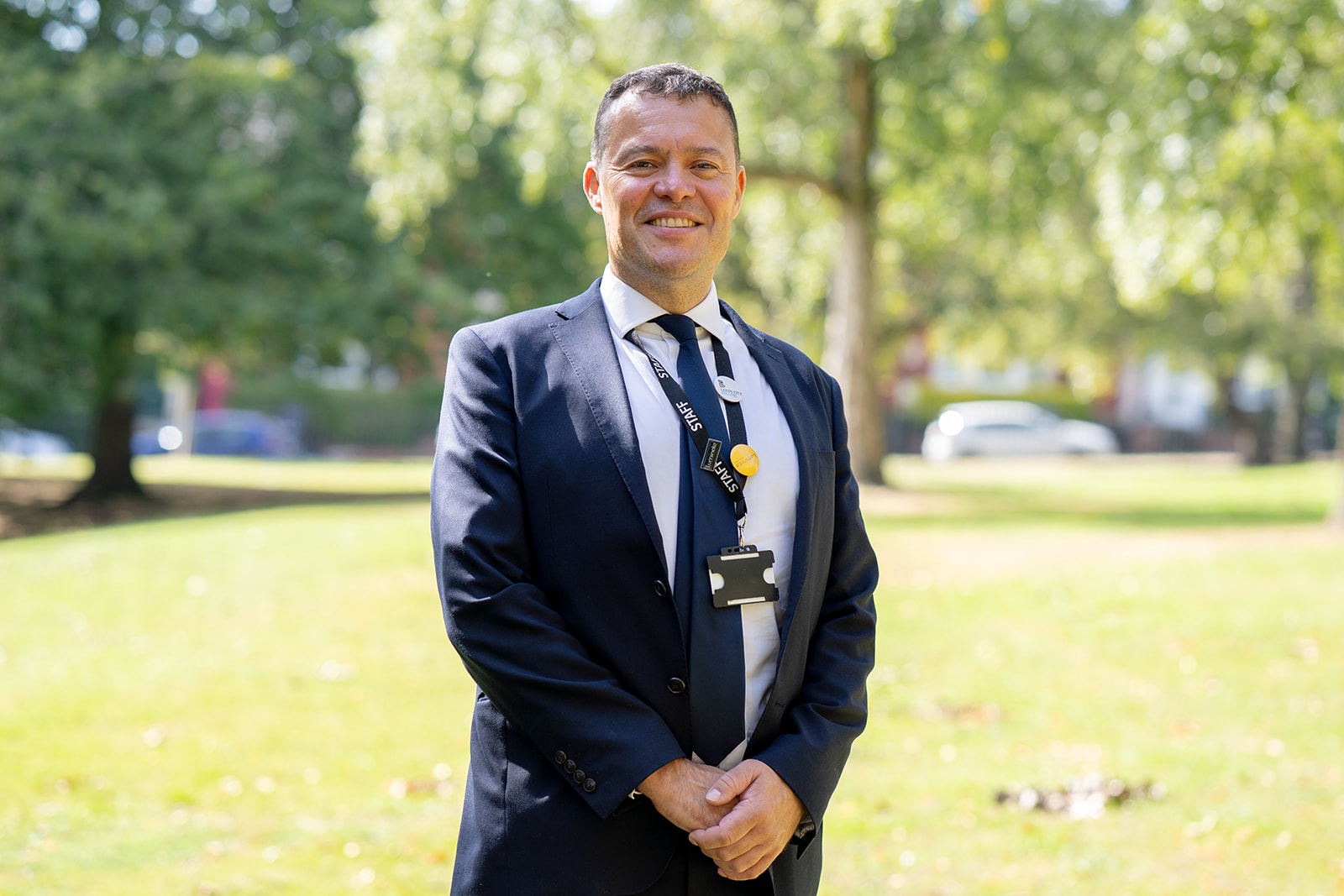
By Bill Jones, CEO, Luminate Education Group
Tags: Harrogate College, Keighley College, Leeds City College, Luminate Education Group, skills gap, University Centre Leeds